

Explore Helpston
A delightful village with a wonderful rural and historic heritage — discover its geography, history, and natural environment.
Helpston's Natural Environment
Helpston sits within a rich patchwork of limestone grassland, ancient woodland, and wetland habitats. The parish and its surroundings support a remarkable variety of wildlife, from rare wildflowers to breeding birds and butterflies.
Residents and visitors alike can explore this living landscape through a network of footpaths and bridleways that connect the village to some of the area's finest nature reserves.
Helpston rests within a landscape that has been quietly shaped by centuries of farming and rural life. The surrounding fields, hedgerows, and winding lanes tell a story of a parish that has retained its connection to the land through changing times. Walking the footpaths that crisscross the countryside offers a chance to experience the same views and seasonal rhythms that have defined this corner of Cambridgeshire for generations. The village sits comfortably within this setting, its stone cottages and historic buildings forming a settlement that feels both timeless and lived-in.
The natural environment around Helpston is notably rich and varied, supporting a wide range of plant and animal life across its fields, woodlands, and watercourses. The parish lies within an area of countryside that rewards careful observation, from the birds that inhabit the hedgerows to the wildflowers that appear along verges and field margins through the spring and summer months. The sounds of the landscape — the rustle of leaves, the call of birds, the distant hum of farm machinery — form a backdrop that changes subtly with each passing season, offering a quiet connection to the natural world.
Visitors to Helpston can explore a village that balances its historic character with the everyday needs of a modern rural community. The local church, village hall, and other community spaces serve as gathering points for residents, while the network of public footpaths invites exploration of the wider parish. The village's layout reflects its organic growth over time, with older buildings clustered around traditional routes and newer development integrated sensitively into the settlement pattern. This blend of heritage and contemporary village life makes Helpston a place where the past and present coexist comfortably.

Helpston Walks
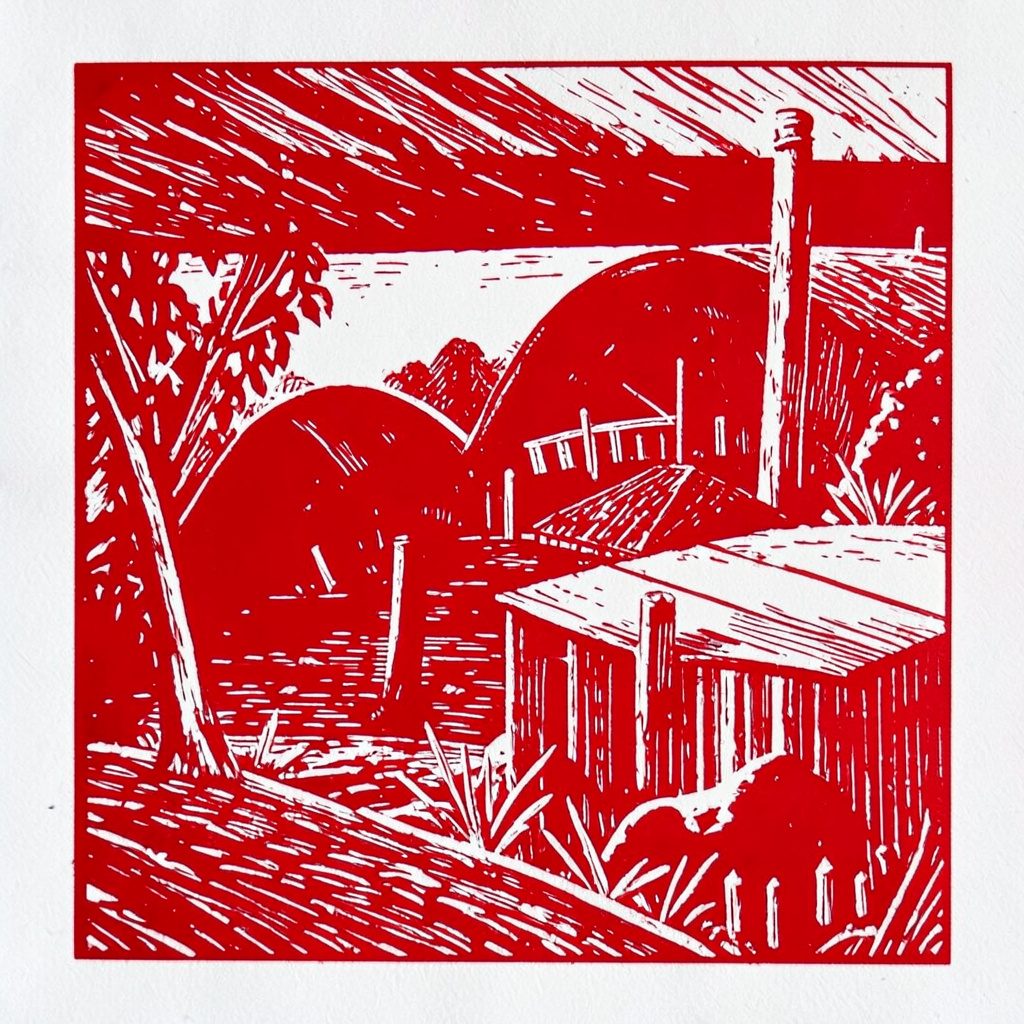
Walking is one of the best ways to experience Helpston's heritage and natural beauty. Routes range from gentle village strolls to longer rambles across the surrounding countryside, many following in the footsteps of John Clare himself.
Well-marked paths lead through meadows, along old green lanes, and past sites of historical interest. Keep an eye out for the diverse fauna that calls this landscape home.
Wildlife & Fauna
Helpston's varied habitats — from limestone quarries to wet meadows and ancient woods — provide a haven for wildlife throughout the seasons. Look out for skylarks, lapwings, and barn owls; butterflies such as the marbled white and common blue; and a rich flora including pyramidal orchids and cowslips.

Local Environments & Wildlife Sites
Helpston is surrounded by an exceptional collection of nature reserves and protected sites. Each offers something different — from rare plants to geological interest.
- Barnack Hills & Holes — A nationally important limestone grassland reserve, famed for its wildflowers and butterflies.
- Castor Hanglands — Ancient woodland and species-rich grassland on the edge of the fens.
- Emmonsails Heath — A patchwork of heathland and scrub, rich in insect life.
- Lolham Bridges – Bainton Pits — Wetland and open water habitats attracting wading birds and wildfowl.
- Royce Wood — A tranquil broadleaved woodland, carpeted with bluebells in spring.
- Swaddywell Pit — A former quarry now managed for its rare limestone flora and invertebrates.
- The Langley Bush — An ancient landmark and meeting point on the edge of the parish, steeped in local folklore.